
Basement Living Room Ideas | A Friendly Living Room Guide
Basements can feel dark, low, and awkward—but they’re also a blank canvas. With the right plan, you can turn that space into a cozy, bright living area that works for movies, games, and everyday hangouts. This guide keeps things clear and practical, so you know exactly what to do first.
We’ll cover layout patterns, lighting layers, moisture control, ceilings that feel higher, and finishes that warm up concrete. You’ll get storage tricks, TV placement ideas, and budget moves that still look polished. Plus, you’ll find 15+ image tips to help you visualize every step.
What/Overview
A basement living room is a finished or semi‑finished lower‑level space designed for daily use—think lounging, media, games, or a guest corner. Challenges include low ceilings, limited daylight, ducts and posts, and moisture. Wins come from smart zones, warm materials, and layered lighting that makes the room feel taller and brighter.
Plan the Space: Layouts, Zones, and Flow
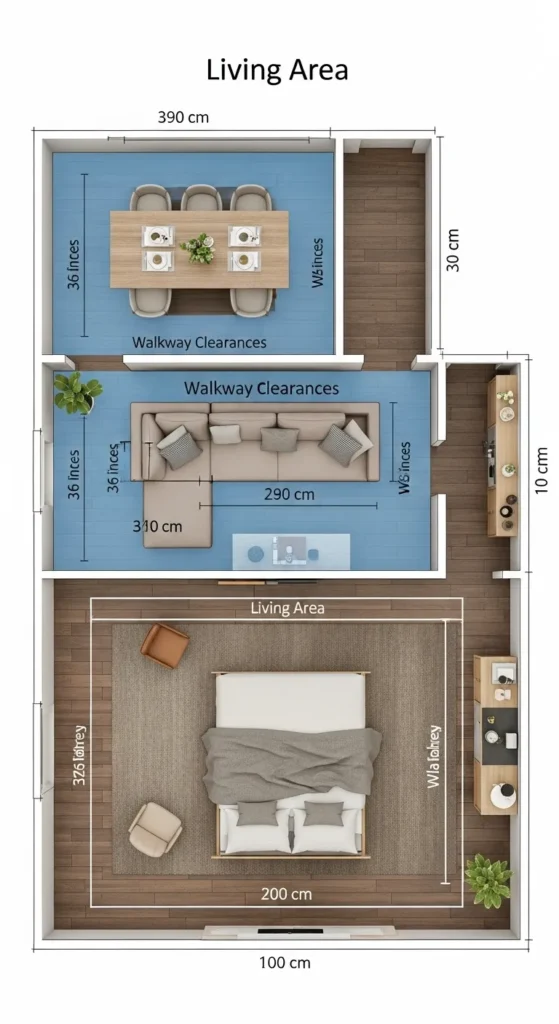
- Map your zones: media (TV/projector), conversation, play/table, or a small desk.
- Choose a focal point: TV wall, fireplace, or feature shelving; align seating to it.
- Keep walkways 30–36 in (76–91 cm) clear, especially near stairs and doors.
- Float furniture off walls to avoid a bowling‑alley look in long rooms.
- Use rugs to define zones; place front legs of seating on the rug for cohesion.
Go-To Layout Patterns
- Sectional + Chair: Sectional faces media wall; swivel chair to pivot between TV and convo.
- Sofa + Two Chairs: Balanced for small basements; oval table improves flow.
- U‑Shape: Sofa + two chairs around a large ottoman—great for games and movie nights.
Light It Right: Layered, Bright, and Warm
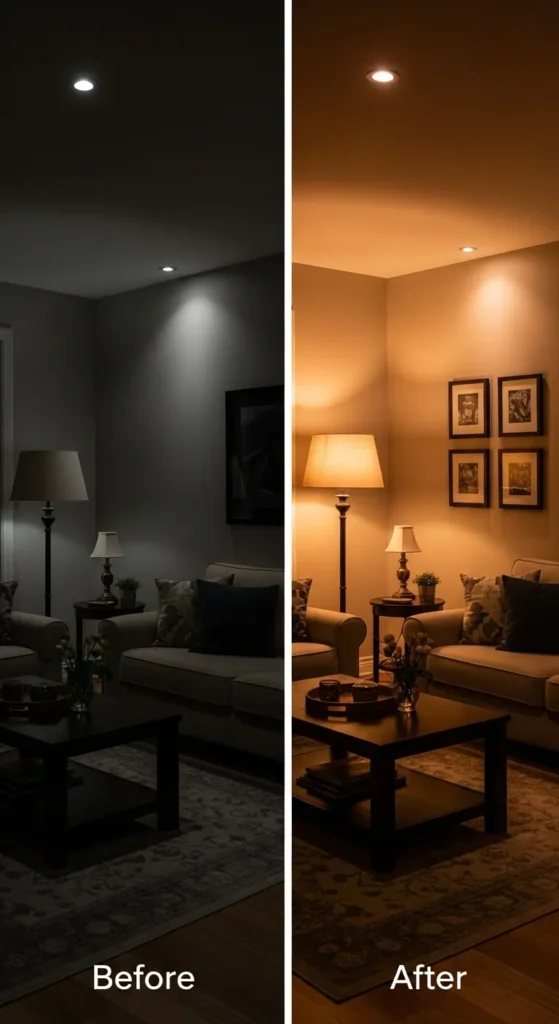
- Ambient: Dimmable recessed lights or low‑profile flush‑mounts; warm white (2700–3000K).
- Task: Floor/desk lamps by seating or a game table.
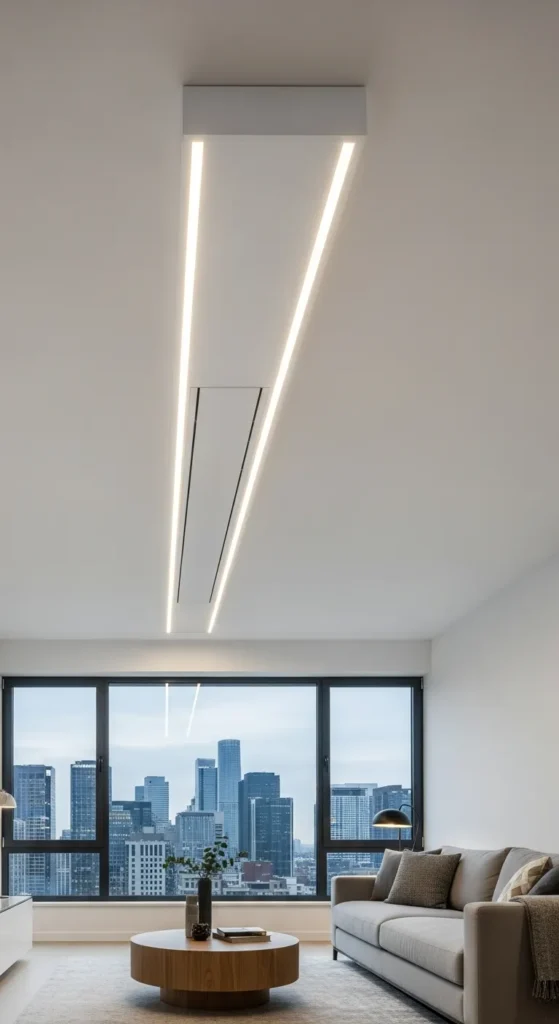
- Accent: LED strips on shelves, picture lights, or back‑lighting behind the TV.
- Daylight boost: Use light wall colors (high LRV), large mirrors, and sheer window treatments if you have egress.
Moisture & Comfort: Do This First
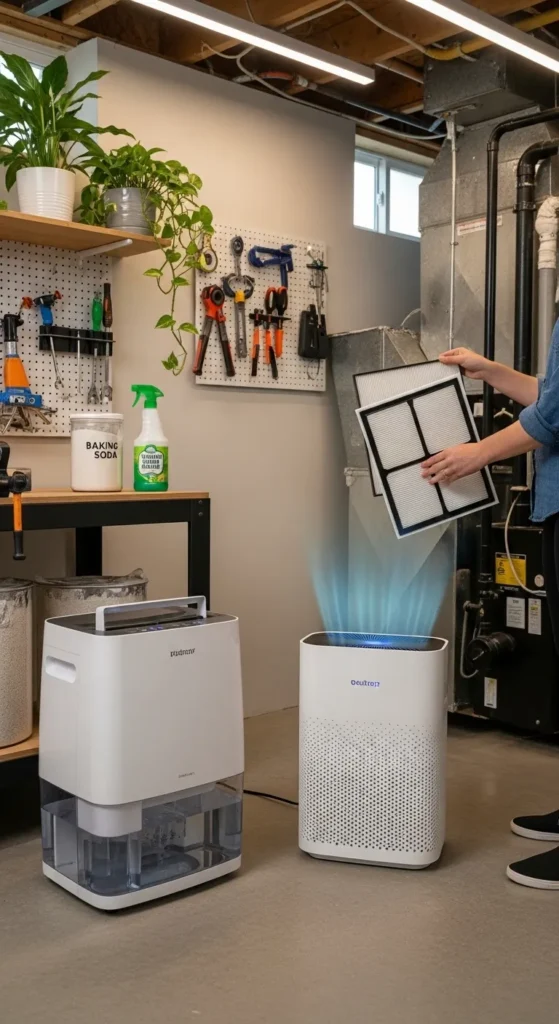
- Check for water: Seal cracks, add a sump/dehumidifier if needed; keep humidity ~40–50%.
- Use mold‑resistant drywall and primers where possible.
- Add area rugs over moisture‑safe floors (see next section) for warmth.
- Keep a little airflow: floor vent deflectors and a quiet fan help avoid stale air.
Floors That Love Basements

- Best bets: luxury vinyl plank (LVP), tile, sealed concrete with area rugs, or carpet tiles.
- Avoid solid hardwood directly on slab. Engineered wood can work with the right subfloor.
- Use underlayment or subfloor panels to reduce chill and improve comfort.
Make Low Ceilings Feel Taller
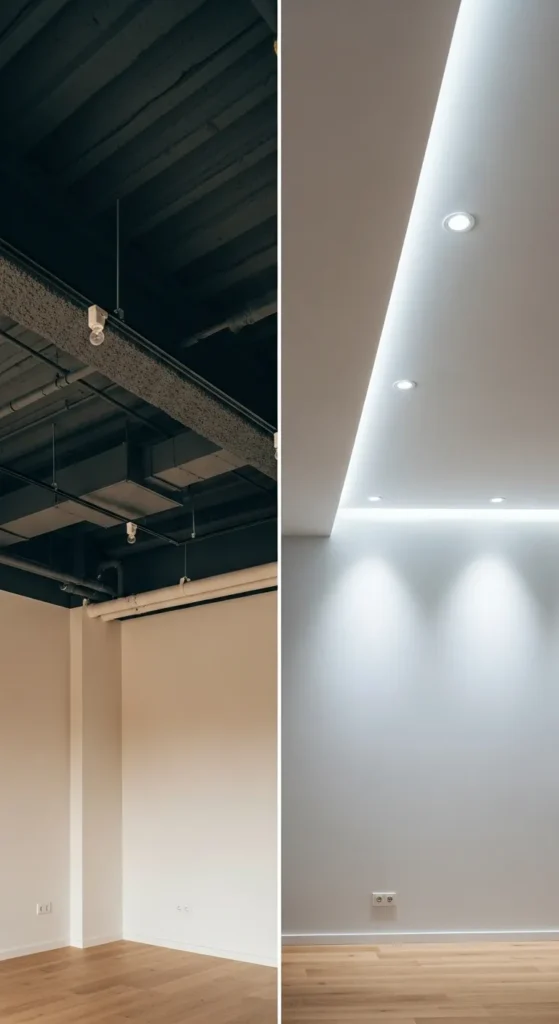
- Paint ceilings the same color as walls (light tones) to erase lines.
- Keep fixtures low‑profile; use wall washers to push light up walls.
- Choose vertical elements: tall bookcases, floor-to-ceiling curtains at any windows.
- Hide ducts with a simple soffit; keep lines straight and clean.
Media Wall & TV Placement

- Center the screen at seated eye level (~40–44 in to screen center for many setups).
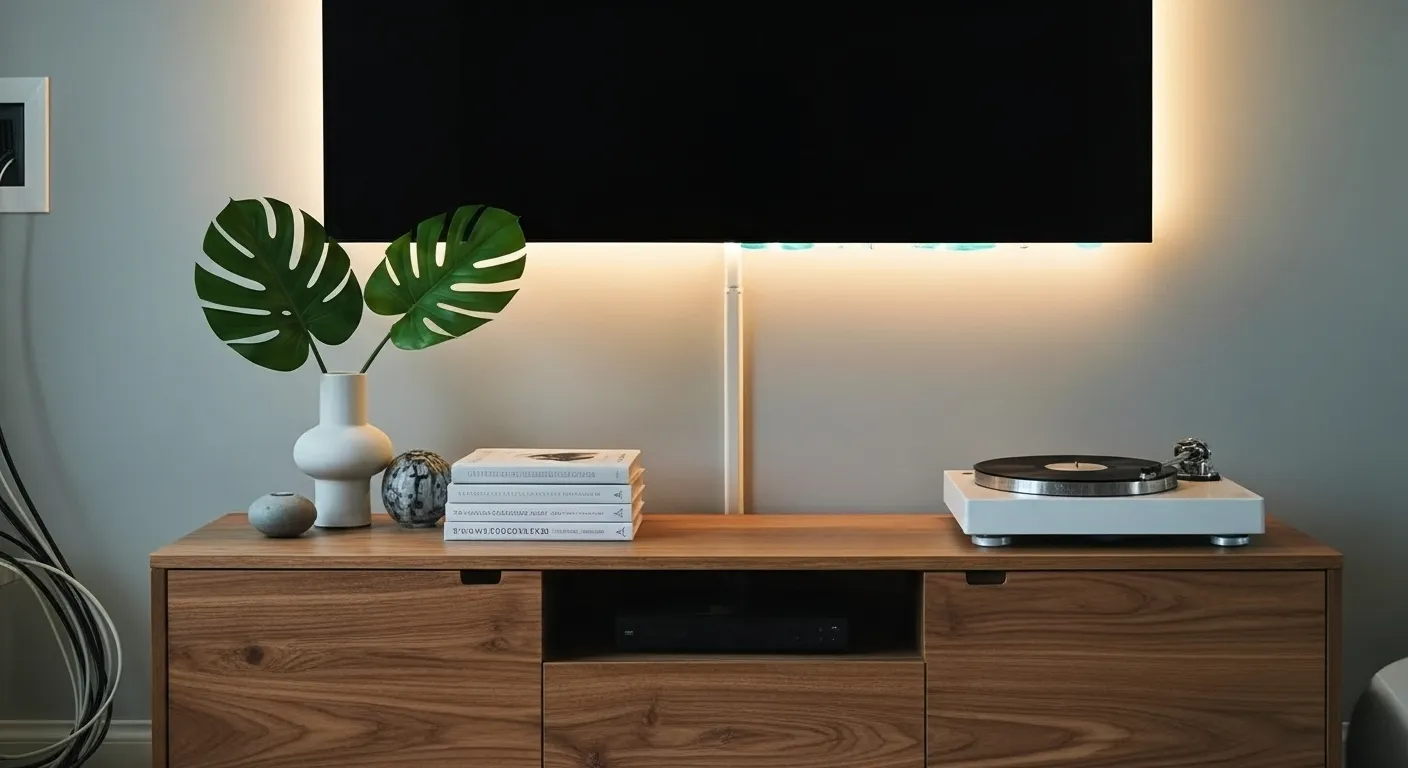
- Use a shallow built‑in or low console; run cables in surface raceways or in‑wall rated channels.
- Add bias lighting (LED strip behind TV) to reduce eye strain.
- Sound: place fronts at ear height, add a slim sub in a corner; consider a rug and soft furnishings to cut echo.
Warmth, Acoustics, and Cozy Layers

- Add softness: curtains, rugs, throw pillows, upholstered ottoman.
- Acoustic tricks: fabric art, bookshelf with books, or decorative acoustic panels disguised as prints.
- Door sweeps and weatherstrip limit stairwell echo and drafts.
Storage That Doubles as Design

- Built-ins around posts or under beams; use closed bases + open shelves up top.
- Storage ottomans and benches for blankets and games.
- Under-stairs cabinet or open cubbies with baskets.
Color, Materials, and Style

- Palette: warm whites, sand, greige, blush clay, sage, soft navy accents.
- Texture: wood tones, boucle, linen, matte metals—mix smooth and nubby.
- Feature: slat wall, limewash accent, or a large art piece to anchor a zone.
Small or Narrow Basement Tips

- Use a loveseat + two small chairs; choose a round/oval table.
- Go wall-to-wall with a large rug to make the room feel broader.
- Mirrors opposite any window; bright art to simulate depth.
- Sliding door instead of a swing if you’re enclosing a room.
Multi‑Use Ideas (Make It Work Harder)

- Media + Guest: Sleeper sectional or a wall bed hidden behind panels.
- Play + Lounge: Closed toy storage with a washable rug.
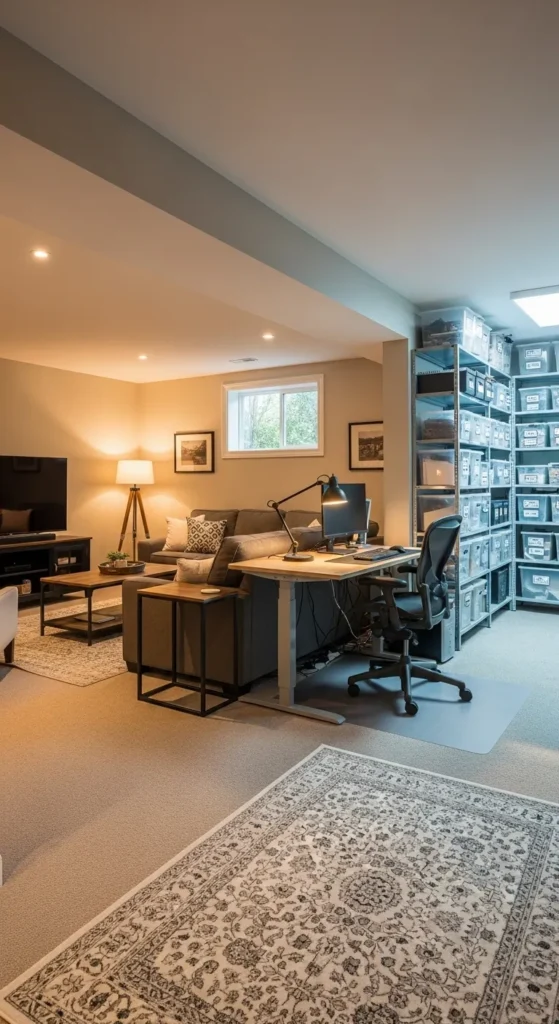
- Work Nook: Small desk behind the sofa or at a half wall with task lamp.
- Fitness Corner: Rubber mat zone screened with a bookcase.
Safety & Code (Worth a Quick Check)
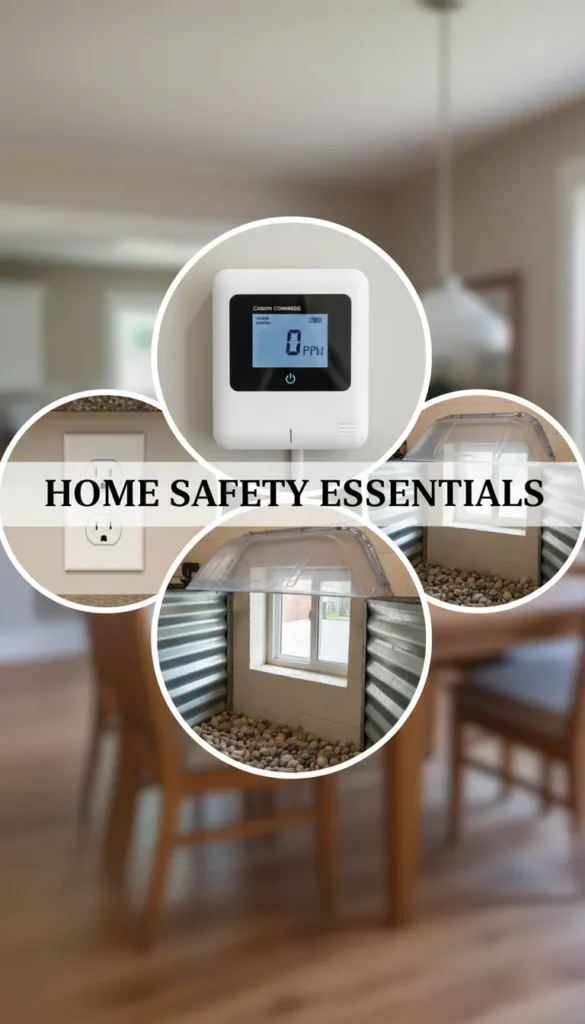
- Working smoke/CO detectors; GFCI outlets near sinks.
- Egress window for any sleeping area; clear path to exits.
- Radon test if recommended in your area; address if high.
- Keep access panels to utilities unblocked.
Quick Ideas / Examples You Can Copy

- Light & Bright: Cream walls, pale LVP, oversized rug, three lamps, big mirror.
- Moody Media: Deep navy walls, dimmable sconces, velvet sofa, thick curtains.
- Family Hub: Sectional + giant ottoman, washable slipcovers, toy bench.
- Games Night: Round table, four comfy chairs, wall cabinet for board games.
- Studio Feel: Exposed painted ceiling, industrial sconces, leather chairs.
- Fireplace Moment: Electric linear fireplace, slat wall above, soft uplighting.
- Minimalist Calm: Low sofa, wall-washed lighting, hidden storage console.
- Color Pop: Neutral base with one bold chair and art; colored rug.
- Reading Nook: Corner chair, arched lamp, small bookcase, plush throw.
- Bar Cart Wall: Narrow cart, floating shelves, mirror backsplash.
Why These Ideas Work
- They solve basement limits first—light, height, and moisture—so style lasts.
- Zones make the room feel bigger and more useful without adding walls.
- Warm textures and layered lighting add comfort and cut echo.
- Smart storage hides clutter, keeping the space calm and easy to clean.
Pro Tips & Troubleshooting
- Room feels flat? Add a table lamp and a textured throw; switch to warm bulbs.
- Echoey? Add a thicker rug and a fabric panel; fill shelves with books.
- Too dark corners? Put a plug-in sconce or tall floor lamp there.
- Ceiling cluttered by ducts? Box into one straight soffit instead of multiple bumps.
- TV glare? Use matte paint opposite and adjustable shades.
Maintenance & Care
- Run a dehumidifier during humid months; clean its filter regularly.
- Vacuum rugs, wipe baseboards, and dust vents to keep air fresh.
- Check for seasonal moisture after heavy rain; address early.
- Refresh bulbs and remotes in fall for holiday movie nights.
Styling / Use Cases

- Movie night: dim lamps, bias light on TV, big ottoman, throw stack.
- Kids’ playdate: roll out floor cushions and stash toys in bins.
- Game night: pull up the round table, add a task lamp and coasters.
- Quiet morning: lounge chair by a lamp, soft playlist, hot coffee.
FAQs
Quick Checklist
- Fix moisture first; target 40–50% humidity.
- Plan zones and walkways (30–36 in clear).
- Layer lighting: ambient + task + accent at 2700–3000K.
- Choose basement‑safe floors + big cozy rug.
- Paint walls/ceiling light; keep fixtures low‑profile.
- Build storage (under stairs, built‑ins, ottomans).
- Place TV at eye level; add bias light and hide cables.
- Add softness for acoustics: curtains, rug, pillows.
- Keep safety in mind: CO/smoke, GFCI, egress as needed.
Image Placement Summary
- Bright finished basement hero (sectional, lamps, media wall).
- Layout plan with zones, rug, and paths.
- Lighting before/after (recessed only vs layered).
- Dehumidifier with humidity meter at ~45%.
- Flooring swatches with area rug.
- Ceiling illusion (dark vs light with wall washers).
- Media wall with bias lighting and hidden cables.
- Acoustic layers (fabric art + plush rug).
- Under‑stairs built‑in storage.
- Palette/texture moodboard.
- Narrow-room small setup (loveseat + two chairs + oval table).
- Four-zone wide shot: media, lounge, desk, play.
- Safety collage (CO detector, GFCI, egress).
- Four-look grid (bright, moody, family, nook).
- Plan overlay showing zones + lighting + storage.
- Soffit before/after simplification.
- Maintenance checklist items (filter, vacuum, bulbs).
- Lifestyle movie-night shot.
Conclusion
A great basement living room starts with comfort—dry, bright, and warm—then adds smart zones, soft textures, and storage that hides the mess. Keep the ceiling simple, layer your lights, and ground the space with a big rug. With these ideas and visuals, your lower level can feel like the best room in the house.